


Police reform must protect local policing and strengthen community partnerships
6 November 2026
Hertfordshire Police Federation says police reform must protect local policing, strengthen public service partnerships and keep officers visible in their communities.
These comments follow a major speech by Metropolitan Police Commissioner Sir Mark Rowley in Manchester, in which he warned that policing in England and Wales was heading towards failure without urgent reform.
Sir Mark has called for the existing 43 police forces to be replaced by between eight and ten larger regional forces, supported by local policing commands and a new National Police Service.
He argued that the current policing model, largely unchanged since the 1960s, is struggling to keep pace with increasingly sophisticated criminality, growing demand, and changing expectations placed on the service.
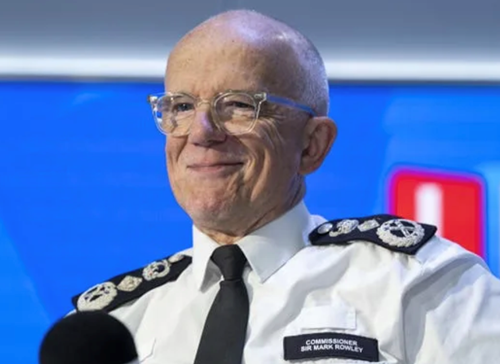
Metropolitan Police Commissioner Sir Mark Rowley
And while Hertfordshire Police Federation chair Luke Mitchell says he recognises that policing cannot continue along its current path and that meaningful reform is necessary, he says localism must remain at the heart of any future structure.
Luke said: “Officers must remain connected to the communities they serve, visible on local streets and able to understand the specific needs and challenges of their neighbourhoods.
“There is a concern that creating larger regional forces could result in decision-making becoming increasingly centralised, potentially distancing policing from local communities.
“Reform must not come at the expense of neighbourhood policing or the relationships that officers build with residents, businesses and local organisations.”
Public services
Luke also believes that the future configuration of policing must be considered alongside wider changes to local government and public services.
He continued: “With proposed changes to police and crime governance, including the future of Police and Crime Commissioners (PCCs), and wider local government reorganisation, there is an opportunity to rethink how policing works alongside county councils, local authorities and other public services.
“Greater collaboration is needed to address issues that do not sit solely within the responsibility of the police, including mental health, social care, safeguarding and wider community needs.
“Effective partnership working should be a central part of any future policing model, with clearer responsibilities and stronger links between organisations.”
Luke also highlighted the need to consider what policing has lost over recent years.
He said: “Across the service, police buildings, facilities and other assets have been sold or closed, leaving forces with fewer local facilities and less of the infrastructure that once supported their work.
“Any meaningful programme of reform must consider how that position can be addressed.
Infrastructure
“Modern policing needs more than a new organisational structure. It requires appropriate facilities, effective technology, sufficient resources and the infrastructure necessary to support officers in delivering an effective service.”
Luke said that by simply reorganising forces without addressing these underlying issues, it risks missing an important opportunity to improve policing.
“Ultimately, reform must be about more than creating larger organisations or reducing duplication,” said Luke, adding: “It must deliver a police service that is better equipped to tackle modern crime, better connected to other public services and, crucially, remains accessible and accountable to local communities.”
Luke ended by reassuring members that Hertfordshire Police Federation will continue to keep them informed and involved as proposals develop.
He said: “Our members' interests, their welfare and the future of frontline policing will remain at the heart of the Federation's response.
“Members can be assured that Hertfordshire Police Federation will continue to represent their interests, challenge proposals where necessary and ensure their voices are heard throughout this process.”
READ MORE: Fed chair praises colleagues for turning Force around, despite constant pressures.


© Copyright 2018 Police Federation All rights reserved