


Rise in second jobs will force officers out of policing
16 July 2025
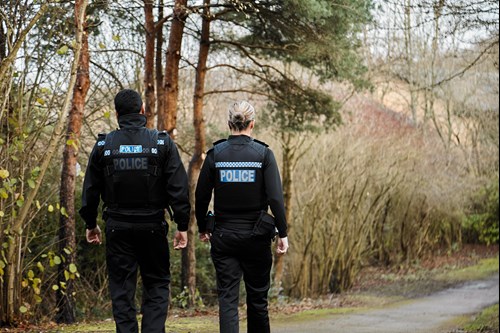
The dramatic increase in the number of officers taking second jobs to make ends meet will force more and more out of the service in search of better paid jobs, according to Hampshire Police Federation.
Chair Spencer Wragg was speaking after new figures revealed that more than 4,000 officers in England and Wales are now working second jobs.
And Hampshire had the 5th highest increase since 2019 at 348% – with 148 officers securing approval for secondary employment in 2024, compared to just 33 in 2019, according to a Freedom of Information request by the PFEW.
Spencer said: “Officers perform a stressful role in an often traumatic environment; they work long hours and rarely get an opportunity to truly get away from work. The fact that we've seen such an increase in those needing second jobs is a concern.
“We know that Hampshire and the Isle of Wight is an expensive place to live and officer pay has failed to keep up with inflation year after year.
“We are just asking for fair pay for the role we do – nothing more. Without this, the upward trend of experienced officers leaving for other jobs will only increase.”
The highest number of individuals with a second job came in Merseyside Police, where 372 officers reported having a second job.
In Dyfed-Powys, approvals rose from nine officers in 2019 to 287 last year, an increase of over 3,000%. There was a 503% increase in South Wales; Essex saw a five-fold rise; Cleveland recorded a 421% increase and Hampshire a 348% jump.
The PFEW has described this trend as a “damning indictment” of how far police pay has fallen.
Brian Booth, PFEW Acting Deputy National Chair, said officers were “overworked, underpaid and under threat” and that that no one should finish a demanding shift protecting the public only to head straight to another job in order to afford basic bills.
He added: “The impact on their family life or rest and recovery time is scary to think about…We need pay restoration now, and we need Chief Constables to get off the fence on pay and support their officers.”
Since 2010, police pay has fallen by 21% in real terms. New recruits start on £29,000 a year, and after six years’ service are earning up to £10,000 less than teachers or nurses with equivalent experience. With inflation and rising interest rates pushing living costs ever higher, many officers feel they have no choice but to seek additional income.
The PFEW is calling on the government to outline urgent plans to restore the 21% lost in real-terms pay since 2010. It argues that without meaningful action, officer welfare and public safety will continue to suffer.
The Federation’s Copped Enough campaign calls on the public to demonstrate support for police by joining the digital picket line: https://www.polfed.org/campaigns/copped-enough/


© Copyright 2019 Police Federation All rights reserved