


Officers with second jobs 'struggling to survive'
16 July 2025
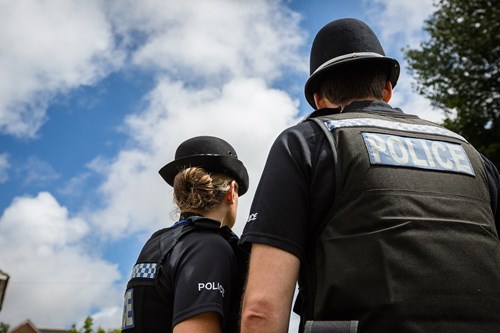

Nearly 200 Sussex officers have taken on a second job to make ends meet, highlighting how police officers are struggling to survive on their salaries.
New figures have shown that nationally, the number of officers in England and Wales seeking approval for secondary employment has doubled since 2019.
Sussex was one of nine forces that did not respond to the Freedom of Information request by the PFEW asking for annual figures – however the force does collate the information on a month-by-month basis.
Its latest figures show there were 126 officers registered as having a second job in May 2025 – down from the peak of 198 in October 2024. By contrast, in 2022, those figures ranged from a low of 55 to a high of 107.
Sussex Police Federation Chair Raffaele Cioffi said the data shows officers in the county are struggling financially.
He said: “Sussex is one of the most expensive counties to live in outside of London. These figures highlight how our members are struggling to survive on a police officer’s wage.
“We face some of society’s most distressing incidents and regularly put ourselves in harm’s way – yet some of us are forced to take on second jobs just to make ends meet in the communities we serve.”
Nationally, more than 4,000 officers secured approval for secondary employment in 2024 – double the number recorded in 2019.
The highest individual figure came in Merseyside Police, where 372 officers reported having a second job.
In Dyfed-Powys, approvals rose from nine officers in 2019 to 287 last year, an increase of over 3,000%. There was a 503% increase in South Wales; Essex saw a five-fold rise; Cleveland recorded a 421% increase and Hampshire a 348% jump.
The PFEW has described this trend as a “damning indictment” of how far police pay has fallen.
Brian Booth, PFEW Acting Deputy National Chair, said officers were “overworked, underpaid and under threat” and that that no one should finish a demanding shift protecting the public only to head straight to another job in order to afford basic bills.
He added: “The impact on their family life or rest and recovery time is scary to think about…We need pay restoration now, and we need Chief Constables to get off the fence on pay and support their officers.”
Since 2010, police pay has fallen by 21% in real terms. New recruits start on £29,000 a year, and after six years’ service are earning up to £10,000 less than teachers or nurses with equivalent experience. With inflation and rising interest rates pushing living costs ever higher, many officers feel they have no choice but to seek additional income.
The PFEW is calling on the government to outline urgent plans to restore the 21% lost in real-terms pay since 2010. It argues that without meaningful action, officer welfare and public safety will continue to suffer.
The Federation’s Copped Enough campaign calls on the public to demonstrate support for police by joining the digital picket line: https://www.polfed.org/campaigns/copped-enough/
Hot topics


© Copyright 2022 Police Federation All rights reserved