


Rising mental health sickness needs action, says chair
27 July 2026
West Mercia Police Federation chair Gareth Spreadbury has renewed calls for greater investment in officer wellbeing after a sharp rise in the numbers taking sick leave because of poor mental health.
New figures reveal that 315 West Mercia officers were signed off work with depression, anxiety, stress or post-traumatic stress disorder (PTSD) during 2025/26.
This is compared with 202 officers in 2024/25, an increase of more than 55 per cent.
Gareth said the figures reflected the growing pressures facing officers and also a greater willingness for people to speak openly about their mental health.
He said: “We are becoming more and more comfortable about talking about mental health, recognising the signs and not worrying about the stigma that used to come with being open about it, especially in policing. That's a great thing to see.
Social services
“However, police officers are being asked to do more with less and, increasingly, policing has become the service of last resort with officers having to step in when nobody else can.
“Whether it is supporting social services, mental health incidents, or other emergency services, officers are picking up more and more demand.
“Make no mistake, we will always be there when we are called upon as our number one priority is to save life, regardless of where the call started.
“However, helping to cover other areas that are also feeling the weight of national pressure and lack of resources that can't deal with their own demand has a direct impact on workloads, shift patterns, family life and ultimately officers' mental health.”
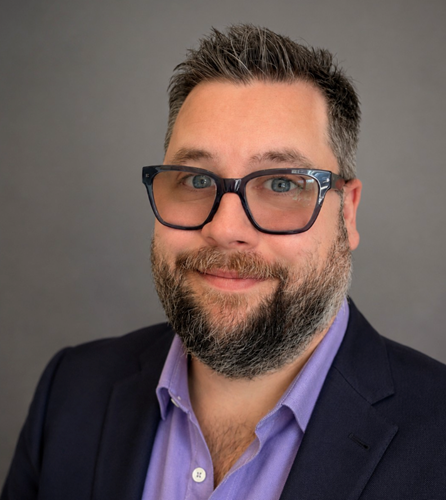
Branch chair Gareth Spreadbury
Gareth said the increase was not unique to West Mercia but mirrored a national picture of rising demand and mounting pressure across policing.
Indeed, nationally, a record 19,443 officers were signed off with stress, depression, anxiety, or PTSD in 2025/26, a rise of 9.5 per cent on the previous year.
The figures were obtained by Police Oracle in a Freedom of Information request. Police Oracle said it was the fifth year in a row the number has gone up, and was 209 per cent higher than when it first ran the survey 13 years ago.
Gareth said that financial pressures were also a factor in officers’ mental health.
Wages
The Police Federation of England and Wales has been campaigning for pay restoration after wages have fallen in real terms by 20 per cent in the past decade.
PFEW and Gareth have responded with frustration to the ‘unfair’ 3.5 per cent pay award for officers, which went against the independent recommendation of 3.9 per cent.
Gareth said: “People are going to be worrying about paying the bills, feeding their kids, childcare costs.
“Those pressures don't disappear when officers come to work, and they inevitably affect wellbeing.
“No police officer wants anyone to suffer, let along themselves.”
Gareth added: “Because people are being more open about their mental health and are more ready to talk about it, we get a better reflection of what actually is going on.
Positive step
“That's a positive step, which means we’re getting a clearer understanding of what is affecting people.”
Gareth called on the Government and policing to back up commitments to officer welfare with practical action.
He said: “It’s about listening to people on the frontline whose mental health is suffering due to the length of times for conduct and IOPC investigations, ever increasing demand, overbearing judgment by media and political ideology, and the sense that they are shouting into a room where no one is listening.
“If we continue down this road, we risk losing the very thing that keep the organisation going and the public safe, which is our people. Our people have to be our priority.”
He added: “People fear making decisions on the ground and if you make a decision in fear that’s when we make the wrong ones.”
Welfare
“If we care about our officers and their welfare, we need to start turning words into actions and ensuring they have the support and the relevant services to access
"Officers also need confidence to make decisions, with support from supervisors and leaders who listen to those on the frontline.”
And he encouraged any member struggling with their mental health to seek support as early as possible.
Gareth said: “There is help available through Oscar Kilo, the Force's in-house services or the Federation.
“Nobody should feel they have to deal with these challenges on their own.”


