


Early release of police attacker sparks anger among officers, says Federation chair
26 June 2026
The early release of Richard Quinn from prison has been described as a betrayal of police officers and a decision that risks undermining confidence in the justice system, according to the chair of West Mercia Police Federation.
Gareth Spreadbury said Quinn's release on Thursday (25 June) would be met with anger, deep frustration and a strong sense of being let down by the system among officers across West Mercia and beyond.
Quinn was sentenced in February to four years and three months in prison following a violent and sustained assault on PC Ryan Davis while he was on duty in 2024. The attack left the officer with multiple broken bones and psychological trauma that continues to affect his daily life.
Gareth said it will be difficult for officers to accept that Quinn was being released only months after sentencing. The news comes just weeks after news that Quinn's son, Alex Quinn, who was also involved in the attack, had already been released. Together, they will return to the community more than three years earlier than many officers expected when the sentences were imposed.
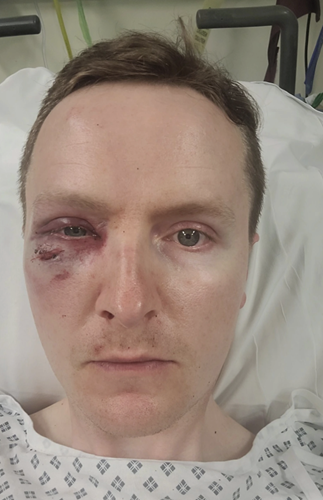
PC Ryan Davis after the assault
While acknowledging that sentencing and release decisions are made within the law, Gareth argued there is often a distinction between what is legally permissible and what is perceived as justice by those directly affected.
He said many officers, and particularly Ryan, would feel that the system had failed to properly reflect the seriousness of the injuries inflicted during the attack.
“Police officers understand that violence is an occupational risk, he said, but there must be confidence that serious assaults, especially those resulting in life-changing injuries, carry meaningful consequences,” said Gareth.
“Without that confidence, officer morale, trust in the justice system, and willingness to continue placing themselves in dangerous situations could be affected.”
Assault
Gareth said that the early release raises wider concerns beyond the individual case, including the message being sent to those who assault emergency workers.
“I must stress, police officers are not seeking special treatment but are asking for fairness, consistency and reassurance that violent attacks on officers are treated with appropriate seriousness,” he added.
“As the representative body for rank-and-file officers, the Police Federation has a responsibility to speak openly on such issues. Failing to do so risks violence against police becoming normalised and accepted as simply part of the job.”
Gareth emphasised that the Federation is not challenging the rule of law or the independence of the courts. However, he said it is legitimate to question decisions that, while lawful, leave officers feeling exposed, undervalued and inadequately protected by the system they serve.
He added that Ryan and all officers deserve confidence that when they are seriously assaulted, the consequences for offenders will reflect the harm caused.
Violence
“The Federation will continue to support Ryan and represent the concerns of its members whenever officer safety, welfare and confidence in the justice system are undermined,” he said.
“The issue is not about undermining justice but about recognising when those most directly affected believe the system has fallen short of delivering it.”
Gareth argued that officers need to see evidence that violence against them is taken seriously, not only through public statements but through outcomes that carry significant consequences.
He continued: “At a time when policing faces increasing pressures, he warned that any perception that serious assaults on police officers result in reduced consequences risks damaging morale, confidence and trust in the justice system among those tasked with protecting the public.”
West Mercia Police Chief Constable Richard Cooper has also commented on the issues highlighted by Quinn’s case. He said: “This case highlights that even those who work proudly and diligently within the criminal justice system feel let down when the reality of a sentence falls short of what they reasonably expect.
Victim
“Every victim of crime deserves strong support, swift resolution and justice that feels meaningful. I know from several conversations with PC Davis that when that doesn’t happen, the impact can be devastating.
“There is immense strain across the justice system, from court backlogs to prison capacity pressures, but these challenges cannot continue to come at the expense of victims.


