‘I can be the bridge between the Force and our public’: Fed member discusses new rural crime strategy
28 May 2026
With a fresh Rural and Wildlife Crime Strategy now underway within Dyfed Powys Police, we spoke to the Federation member ensuring a strong connection remains between the Force and its countryside communities.
Inspector Matthew Howells is one of the most important figures in the Force’s modern history when it comes to rural crime, helping to establish a fully specialised department fit for the demands of the largest geographical police area in England and Wales.
Before this, Matthew was the only dedicated rural crime officer in the entire organisation, having taken his first steps into this area when he was seconded to the Countryside Council for Wales (CCW) to represent Dyfed Powys on a range of environmental issues in 2011.
Away from actual policing experience, however, the 56-year-old would tell you his calling to this part of the profession dates back a lot further.
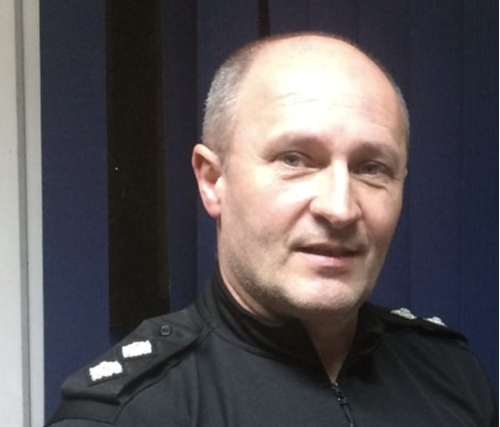
Inspector Matthew Howells
“I grew up in Bancyfelin near Carmarthen to a dairy farming family, and I myself was a farmer until I became a police officer in 1998,” Matthew said.
“That was a very long time ago now, but I’ve always kept my ties to the community and that’s what made me suited to the secondment initially. A few years later, I was the staff officer for the National Rural and Wildlife Crime portfolio for England and Wales, under then-Chief Constable Simon Prince, so I was already getting deep into this side of policing by this point.
“Then in 2018, our force finally established its Rural Crime Team, which was something I’d pushed for and felt was long overdue.
“And ever since, we’ve tried to provide our rural public and wildlife with the most bespoke and empathetic service possible, and this new strategy is our latest effort in doing that even better.”
Strategy
Officially adopted earlier this year, the new strategy places an emphasis on boosting patrols and engagement to make agricultural communities feel even more protected.
Matthew says this heightened presence will directly counteract some of the Force’s biggest rural crime concerns, including both livestock worrying and livestock theft.
“They are arguably our two main focuses right now,” he continued.
“In comparison to many other forces, we consistently have high levels of livestock theft to deal with, but livestock worrying has become increasingly prevalent. We are aiming to deal with that through more visibility, but also with a proactive approach to public education, particularly around people causing disturbances – deliberately or otherwise – when walking their dogs.”
Matthew went on to discuss his confidence in these plans producing results, pointing towards the team’s successful reduction of quadbike theft over the last year with the help of colleagues in response and CID.
Livestock
“While we are in a cost-of-living crisis, we must always be wary of acquisitive crime, whether that’s with livestock, agricultural equipment and machinery, tools, vehicles or fuel. It’s something that may change in appearance but will ultimately be driven by the same principles.”
Expanding on elements of rural crime which will always exist, the inspector discussed the inherent challenges of policing vast and sparsely populated areas, such as gaps in the availability of CCTV, phone signal and witnesses.
Above all, he highlighted how imperative it is for the team – currently made up of one sergeant, four constables, five PCSOs and one seconded officer – to listen to what members of the public need from their police.
“We have a good set-up right now, with me overseeing our strategy, Sergeant Paul Roberts leading day-to-day operations and the rest of our team being a group of very talented and dedicated individuals.
“When he spoke to the Fed, Matthew mentioned how vulnerable our communities can be – the fact farming is often such a specific, intergenerational job can often cause isolation from the rest of society.
Proactive
“For me, it wasn’t my whole world – which is why I was able to join the police – but I still find ways to stay connected even now. For instance, I breed and show Welsh cob ponies with my father, and while I do that for enjoyment, it also allows me to stay close to the ground with what’s going on and be that bridge between the Force and local farming.”
The sense of familiarity brought about by Matthew’s background has often seen farmers opt to call him personally rather than the Force 999 or 101 in the face of a problem – something he describes as a source of professional pride.
“Even with my lived experience, though, I can’t always be the expert on the needs of others, so it’s important to listen and balance the reactive with the proactive,” he added.
“At the same time, prevention is huge for us, so it’s our job to advise these people on how to protect themselves and their assets, and that’s what we’ll continue to do.”
READ MORE: Op Apex - multi-pronged approach to improving biker safety.
Hot topics
Quick links to information