



Naloxone: Federation will support officers
30 May 2025
Officers who carry Naloxone have been given an assurance that they will be fully supported by West Midlands Police Federation if they use it in the way they have been trained but are later the subject of a complaint.
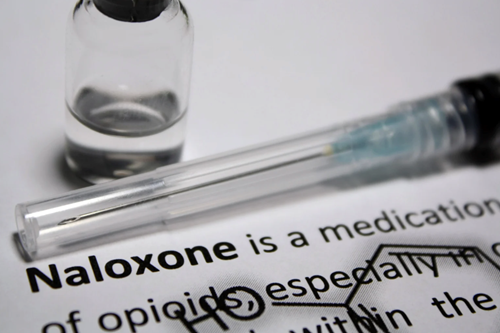
There are around 220 West Midlands officers who currently carry Naloxone, a drug which reverses the effects of an opioid overdose and can prevent deaths. But this may be increased to 280, largely neighbourhood, officers - though it is only carried on a voluntary basis.
It is now 20 years since legislation first enabled Naloxone to be administered by anyone in an emergency, improving the chances of preventing overdose deaths with the latest Government statistics revealing police officers have administered it 1,232 times by police in the UK between June 2019 and December 2024.
Naloxone
The first recorded administration of Naloxone by a West Midlands Police officer was in 2019.
The Police Federation of England and Wales has recently revised its stance on Naloxone use by officers and now supports it being carried voluntarily where an operational need is identified, saying it should remain a personal choice, based on appropriate training and individual circumstances.
Initial concerns, which were discussed by former West Midlands Police Federation chair Jon Nott BBC’s Newsnight in 2021, centred around officers being subjected to lengthy and stressful investigations if someone still died after being given Naloxone by a police officer to block an overdose of an opioid such as heroin.
Patrick McBrearty, health and safety lead for West Midlands Police Federation, said: “I just want to give an assurance that if any of our officers use Naloxone the way they have been trained and are later subject of a complaint we will fully support them.
“I know there was some resistance from the Federation nationally initially and there are those who might wonder why they wouldn’t support officers carrying, and using, a life-saving piece of equipment but you do have to bear in mind that officers are primarily law enforcement professionals and not healthcare professionals.
Decisions
“The Federation has argued in the past that ambulance staff and paramedics are best placed to administer Naloxone and there have been understandable concerns about an enforced mission creep on officers. Operational decisions have been seen to be made by other services based on the knowledge that officers have Naloxone at their disposal.
“But, despite these concerns, as a Federation, we appreciate our officers are often the first to come into contact with someone who has taken an overdose and we will support and represent them should they find themselves under investigation.”
A Government backed study into police carrying Naloxone has called for training in its use to be standardised across all police forces so officers receive the same high quality tuition.
READ MORE: Police Museum showcases conference options at unique 'lock-up' space.