


Assaults on Police Officers - how can we solve this problem?
19 February 2026
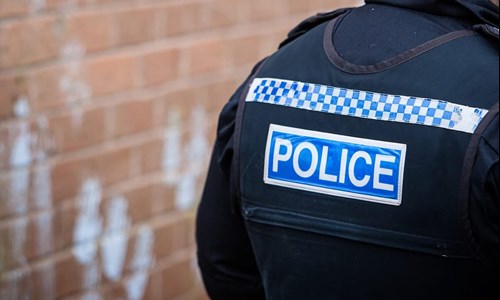
Vice Chair Gary Stephen looks at the dangers colleagues face... and whether the current deterrents are enough
I have been watching with interest over the past year or so to see whether assaults on officers — our colleagues — are being treated with the seriousness that society expects.
In 2018, a new offence was created: assault by beating of an emergency worker. It was intended as a catch‑all protection for all emergency workers, introduced in response to the alarming rise in assaults on people whose sole aim is to help others when they go to work. The offence came with promises of stiffer punishment, stricter regulation, and the possibility of jury trials for more serious cases. The hope was that this would deter those in society who are partial to assaulting police officers and other emergency workers.
However, the statistics tell a very different story. Not only has there been no meaningful decrease in assaults of this nature, but the number of assaults against police officers has continued to rise. There has been no abatement in the upward trend, with an average of around 125 officers assaulted every day in England and Wales.
These members of our community go out of their way to help people at their lowest ebb. They are exposed to trauma that very few others ever experience, and yet they are routinely treated as society’s punching bag.
The creation of a new offence and the strengthening of sentencing were supposed to reduce these horrifying statistics. They have not. If anything, the data suggests that the offence has had no measurable impact on the trajectory of assaults.
In my current role within the force, in custody, I see officers being assaulted on an almost daily basis, with no sign of reduction. But even when incidents are dealt with correctly, decisions are sometimes made that no action will be taken — even where an injury is present. I spoke to an officer two days ago who had just received a letter from the CPS discontinuing an assault case against him, despite a visible mark on his skin and clear discomfort. How can this ever be considered not in the public interest?
In 2025, the CPS effectively threw in the towel with this offence. Their rationale was compelling and understandable, however unpalatable. The courts were simply not treating these offences as seriously as had been promised in addition to the fact that reporting of these matters increased. As a result, the CPS issued guidance that officers should revert to charging under the older offence of assaulting a constable in the execution of their duty — a summary‑only offence carrying limited sentencing powers.
The reality is that, as an organisation of people, we are not empowered to change this. And while that is unsettling, the government must now consider what mitigation is necessary for officers. If everything tried so far has failed to reduce assaults, then conditions must be examined to recompense officers for their hard work and tenacity to continue under such circumstances.
Officers have endured enough. Not only are we still routinely assaulted while trying our best to maintain order, but we are also lagging far behind the baseline in terms of pay. Officers across the country are struggling to maintain a decent standard of living. Some cannot afford food and are turning to food banks.
Yet the government appears to consider it acceptable to underpay officers, despite the very real risks of injury, illness, and the significant restrictions placed upon them both on and off duty. This cannot continue. I would urge the government to consider mitigating some of this ill‑treatment with appropriate recompense.
Society needs decent, well‑nourished, well‑rested officers to maintain peace on our streets and to be there when people need them most. If police pay continues to lag behind, we will see a continued exodus of good, decent officers — and society will not receive the policing it deserves.