


Suffolk Police Federation responds to Sir Mark Rowley’s call for major policing reform
6 November 2026
Suffolk Police Federation says it supports the need for change following Met Police Commissioner Sir Mark Rowley’s warning that policing is heading for failure, but insists reform must be properly planned, funded and focused on the needs of local communities.
Sir Mark’s call for a major overhaul of policing in England and Wales has prompted a response from Suffolk Police Federation, with its chair Darren Harris agreeing that the current system cannot continue as it is, but warning that the detail behind any changes will be crucial.
His comments come as discussions are already underway about the future structure of policing in the East, following a joint letter from the Police and Crime Commissioners for Suffolk and Norfolk to the Home Secretary requesting approval to create a single constabulary serving both counties by 2028.
As reported, both Suffolk and Norfolk Police Federations have welcomed the opportunity to explore a merger, while highlighting the need for meaningful consultation, transparency and clear assurances for officers, staff and local communities.
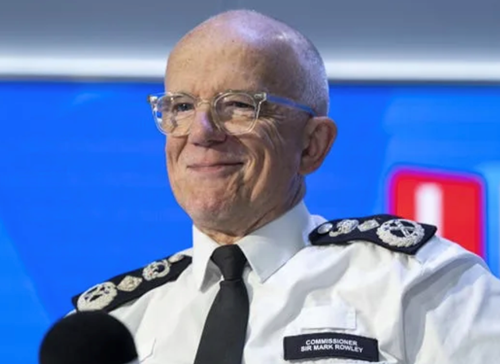
Met Police Commissioner Sir Mark Rowley
Speaking on BBC Radio Suffolk this morning (6 November), Darren said he believed policing was already in a critical position following years of underinvestment, which had affected technology, training and leadership.
He said: “My opinion on this is that I'd go one step further and say that policing is broken already. The underinvestment over the last 16 years into policing has meant that we haven't been invested in the right technology, the right training, the right leadership, and we're in a position now that something needs to change, and so, you know, we're supportive of that.
“We just want it done in the right manner.”
Sir Mark has proposed replacing the current 43-force structure with between eight and ten larger regional forces, supported by hundreds of local policing commands and a new National Police Service.
Criminal activity
The proposals are intended to address the changing nature of crime, reduce duplication and create a more effective response to increasingly complex criminal activity.
Darren said he could see the potential benefits of greater collaboration and more streamlined arrangements, but warned that there was not yet enough information to understand what the proposed structure would mean for Suffolk.
He said: “But the detail that Sir Mark is, or talking around, just isn't there yet, so we need to know what does that look like? They talk about hundreds of local policing areas delivering neighbourhood policing. What does that look like?
“And does that deliver for the people of Suffolk?”
He said the impact on local communities and the officers delivering policing must be properly understood before decisions are made.
In particular, Darren highlighted the importance of ensuring that any structural changes do not leave communities feeling further removed from their police service, or undermine the support available to frontline officers.
Reforms
He said: “We need that detail so that we know that we deliver all the people of Suffolk, and that the police officers are supported, looked after, and remunerated properly.”
The proposed reforms also raise questions about funding and the promise of savings through larger organisations and reduced duplication.
Darren stressed that any efficiencies identified must be reinvested into policing rather than simply used to reduce budgets further.
He said: “I think that those savings need to be reinvested into policing in Norfolk and Suffolk. If it is 22 million that they can find in efficiency savings, then the money needs to be reinvested, and it can't just be another slicing of the police budget. And so we're working with even less money.”
He also highlighted the need for investment in workplace health, recognising the impact that dealing with traumatic and challenging incidents can have on officers.
“There needs to be investment in workplace health to look after the officers that are dealing with truly horrible things on a day-to-day basis. And that just isn't there at the moment.”
Proposed changes
Darren also questioned the pace of the proposed changes, warning that rushing through a major reorganisation without sufficient planning could make existing problems worse.
He said: “I think trying to get this through in just under two years is too fast, and will not have that detail, will not then save the money, and we'll just be in the same situation as we're in now.”
He added that the biggest risk was failing to maintain the standard of policing already being delivered in Suffolk.
“The biggest risk is that we don't deliver on the service that we're already providing at the moment. Suffolk is one of the safest counties in England and Wales at the moment. It's up there, and we need to maintain that.”
Darren said the Federation would continue to engage with discussions around the future of policing, but stressed that reform must be about more than changing organisational structures.
READ MORE: Suffolk and Norfolk Police Federations respond to merger suggestions.











© Copyright 2019 Police Federation All rights reserved