


Plans for PFEW ‘transformation’ set out at conference as branch chair challenges leadership panel
21 October 2026
Branch chair Sam Dobbs was among delegates scrutinising a panel of Police Federation of England and Wales (PFEW) leaders at its Annual Conference today (Wednesday 21 October), as plans to rebuild the organisation’s credibility were outlined.
The panel, comprising PFEW acting deputy national chair Paul Williams, acting national secretary Mel Warnes and interim chief executive officer Gabriel Miland, faced questions over the Federation’s future and its plans to deliver much-needed change.
The candid discussion followed a turbulent year for the Federation, during which events involving members of its senior leadership have significantly damaged confidence in the organisation among members across the country.
During the session, chaired by conference host Ian Collins, the panel acknowledged the need to rebuild trust and outlined ambitions for meaningful and lasting change.

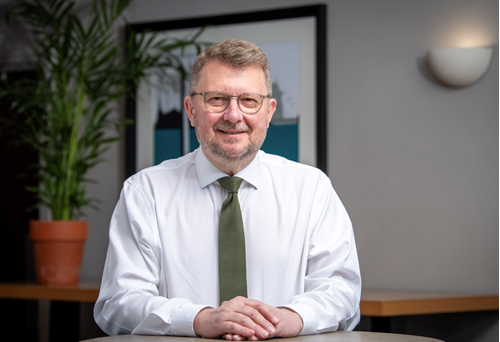
Northamptonshire Police Federation chair Sam Dobbs
“Members are absolutely right to be shocked and angry, feel let down, I'm sure,” said Mel, adding: “We've not got things right, and we need to do better. And we're honest about that.”
“This is a Federation that's worth fighting for, and that's what this transformation programme is about, because we need to build that trust.”
Gabriel then provided further detail on how the structure of PFEW could evolve, explaining that independent reviews had informed the transformation programme and resulted in 49 recommendations.
Headline proposals included replacing the separate national chair and secretary roles with a single general secretary position, reducing the size of the National Board, and strengthening the National Council's responsibilities.
Scrutiny and accountability
The plans also include introducing independent non-executive directors to provide an additional layer of scrutiny and accountability.
Gabriel explained that an overhaul of PFEW’s leadership structure was essential to creating ‘the organisation that our members need us to be’, with greater emphasis on transparency and accountability.
While the panel’s ambitions were welcomed, delegates also challenged the potential implications of such significant structural change.
Branch chair Sam Dobbs questioned whether the Federation would retain the credibility and influence needed to effectively represent members in discussions with Government.
Credibility
“How credible are we as a Federation from a negotiating point of view with Government?” Sam put to the panel.
Sam acknowledged that while the Policing Minister Sarah Jones had spoken to delegates via a pre-recorded video, neither she or the Home Secretary had attended this year’s Conference.
He added: “In the old days, they would have wanted to be here, working with us. But I feel as though we’re at arm’s length."
Paul acknowledged the challenge but expressed confidence that the Government would be receptive to the proposals, confirming that they had already been presented to the Home Office.
Constructive and professional
He also stressed the need for the Federation to adopt a more constructive and professional approach when engaging with politicians.
“If we're going to advocate, then we can't be table bangers,” he said.
“We can ask, we can work with. We can challenge, but we have to do that in a more professional manner.”
Paul went on to deliver a frank assessment of the Federation’s previous leadership culture, suggesting that personal agendas and competing priorities had contributed to division within the organisation.
He emphasised the importance of national leaders working collectively to ensure individual Federation branches and representatives are better equipped to support members at a local level.
Serving members
Mel echoed this sentiment, warning that a fragmented Federation ultimately undermines its ability to serve its membership.
“One Federation is stronger, and that will only benefit the members,” she said.
“I think everything flows from culture. And culture is the most important thing,” Gabriel added.
Despite facing further challenging questions, the panel highlighted the National Council meeting on 22 September as evidence that a more united Federation was beginning to emerge.
Gabriel explained that representatives had debated the transformation proposals individually before unanimously supporting the final package, with opportunities throughout the process to raise concerns and contribute to decision-making.
Constructive debate
Paul described the meeting as one of the most respectful and dignified processes he had experienced within the Federation, praising the willingness of representatives to engage in constructive debate, even where differences of opinion remained.
The panel also explained that acting appointments, including their own, had been necessary to maintain the Federation’s commitments to members while progressing the transformation programme.
Looking ahead, members’ views at a local level are expected to play a greater role in shaping national priorities.
Paul said he anticipated delegates would see significant, tangible improvements in the National Board’s culture and operations over the next 12 months.
Members' voice
He outlined the wider ambition of creating ‘a more approachable, more open, more transparent, more effective Federation’, with a stronger and more meaningful voice on behalf of its members.
The 2026 PFEW Annual Conference continues today (Wednesday 21 October) and tomorrow (Thursday 22 October).
READ MORE: Pressures faced by officers discussed at conference.


© Copyright 2019 Police Federation All rights reserved