


Policing White Paper: concerns over proposals for Force mergers
28 January 2026
Gwent Federation chair Matthew Candy says any changes to the policing model in Wales must not impact the service.
Matthew said there were fears that restructuring and merging forces would absorb people, time, and resources that policing does not have.
And he said there were also concerns that 'super forces' would make it harder to build and maintain relationships in local communities.
Matthew was responding to the Government's publication of its new White Paper: From local to national: a new model for policing.
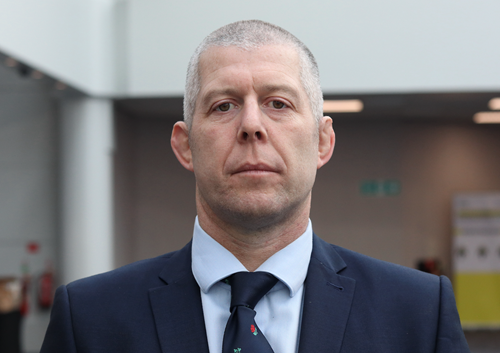
Branch chair Matthew Candy
The White Paper sets out a series of reforms which Home Secretary Shabana Mahmood has described as the largest in policing for 200 years.
They include a review into dramatically reducing the number of police forces in England and Wales.
The Government said it would ‘make the police more cost-efficient, giving the taxpayer more value for money, while also ensuring a less fragmented system that will better serve the public and make them safe’.
Matthew said: “It’s clear the current structure isn’t working and that there is a postcode lottery in funding, which is unfair and needs addressing.
Improve
“But fewer forces don’t guarantee better policing, and we feel very strongly that policing in Wales must not be damaged under any new structure. Any changes must improve the service.
“Chief officers don’t have a great track record of landing major structural change, and we need hard evidence that with merging forces, we won’t lose local connection, accountability, and trust.
“Structural change without addressing issues such as fair pay, workloads, the recruitment and retention crisis, and years of chronic underinvestment won’t solve policing’s problems.”
Matthew said proposals to require officers to hold and renew a licence throughout their careers to continue working needed to be carefully considered.
The Government said the licence to practise was needed to ensure they developed new skills as criminal techniques evolve.
Matthew said there were many unanswered questions about the proposal.
Training
“Officers want to develop, but they need the protected ring-fenced time during working hours to complete their training and learning requirements,” he said.
“All too often, officers going on training create gaps elsewhere, or they are pulled away from their training because the system is overstretched.
“And how would such a licence sit against existing training and professional development requirements?
“Given the skills required right across modern policing, would one licence fit all or do licences change for each role?
“There are many questions that need answering, and I suspect the devil will be in the details.”
Proposals
Matthew welcomed proposals to improve officer welfare.
These include the expanded rollout of a Mental Health Crisis Line; psychological risk screenings for front-facing and high-risk roles; and resilience and mental health training for new recruits and supervisors.
And Matthew rejected political rhetoric that suggested officers are not ‘match fit’.
“Being match-fit means feeling valued,” he said. “It’s having the time to rest, recover, train, and manage workload.
“Our members are working relentlessly and are stretched beyond breaking point.
“Which is why meaningful reform must start with properly resourced, respected, and supported officers.”