


'Police Must Take Racist Abuse Against Colleagues Seriously'
29 June 2026
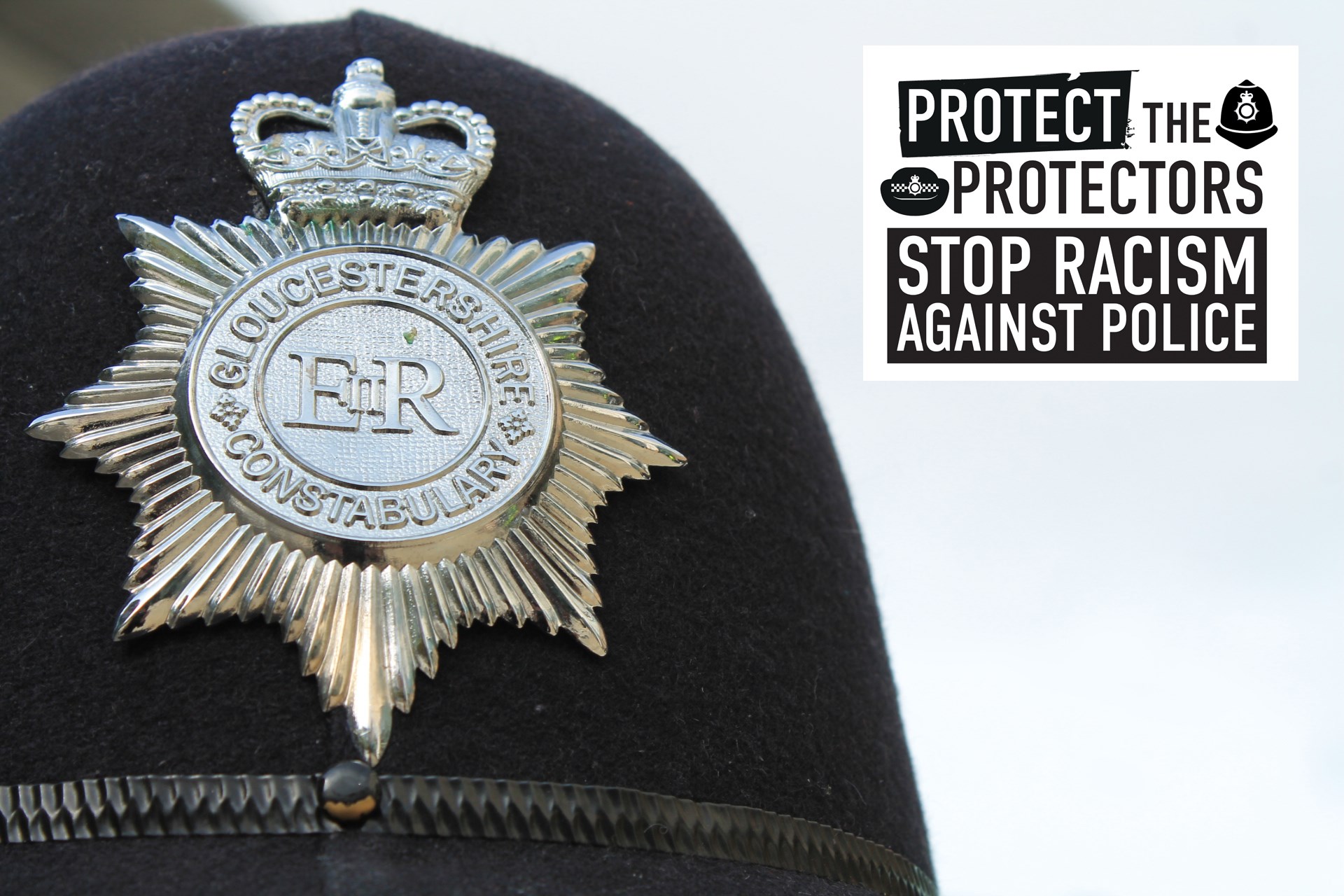
A Gloucestershire sergeant who has faced racist abuse from the public throughout his career has called for policing managers and colleagues to take the issue seriously.
Sgt Sham Fearon is backing the Federation’s campaign, Protect The Protectors: Stop Racism Against Police. He began his policing career in the Metropolitan Police 11 years ago, before transferring to Gloucestershire Constabulary in 2017. He’s currently a response sergeant in Cheltenham.
Sgt Fearon said that by far the most racist abuse he’s received has been in custody suites. He said: “I've been called every name under the sun. One time, I had to keep observations on a detainee in custody, and I sat there for hours and suffered constant racial abuse by him. This was during my tutorship, and I was with my tutor, but it was just left unaddressed. That happened a couple of times in the Met.
“And again, in Gloucestershire, the majority of racist incidents have been in the custody environment. When I got promoted to sergeant, I was trained to conduct a custody officer’s duty and I was quite often the only black officer there. It was like I was easy pickings – even detainees that I had nothing to do with, I wasn't booking them in or anything, would pick an issue with me and make racial comments towards me. I would say close to 90% of those incidents went unaddressed.”
Sgt Fearon said one of the problems may have been that he was a sergeant, and the PCs working with him were fairly young-in-service and “were probably waiting for me to direct them to do something”. He said: “I felt like all eyes were on me, but no one was really doing anything.”
The offender was arrested in only a few of these cases, and just one led to a conviction. He wasn’t even told the outcome of the other cases.
Sgt Fearon said this experience had put him off reporting incidents when he was a victim of hate crime: “I already had doubts in my mind, that I didn’t know how seriously it would be taken. Was I going to be looked at like I was making a big deal of something that other people saw as nothing? Then when I received the service that I did, or lack of it, it reconfirmed all those thoughts.”
In the end, Sgt Fearon felt he could no longer work in custody. He said: “When I had time to reflect, I realised that the majority of racial incidents towards me have been in the custody environment, and it led to me being in a constant state of anxiety, waiting for the next person to come in who's a bit irate and pick on me.”
He said officers should act when they see colleagues being racially targeted, even if they were of a lower rank than the person being abused. He explained: “The way that I see it, if I was being assaulted, you would never stand there and wait to be told to get stuck in, to stop the assault and to arrest that person.
“But when it comes to racial abuse, people know it’s an offence, but there seems to be a different approach to it. Just to make it clear, I don't think that any of this is done maliciously. But there's just been this reluctance to step in and stop it, and do what you would do out on the street.”
Sgt Fearon said he wanted to speak out and support the Stop Racism Against Police campaign “because I thought it would be useful for others to know the impact that [racial abuse] has. Even I was naive to the impact that it had. I thought it didn't really bother me until I came away from that custody environment.
“I hope the campaign will hopefully help push that message out, and I hope that if someone else finds themselves in my shoes, they do get that support, and don't have to go through what I've experienced.
“Getting the basics right is a good start – ensuring that officers are given updates throughout a court process, because I never heard about the outcomes of court cases, other than that one time. And there needs to be more involvement from line managers, especially if incidents are happening repeatedly because, like I said, I never thought it would impact me until it did. I really needed that support, and I didn't have it then.
“I think it's important for a line manager to come and speak to you about it. I think that would go a long way, and I think that's a massive bit that's missing.”
Sgt Fearon added that forces should start recording racial abuse incidents, which are currently parcelled in with all hate crimes. He concluded: “If we don't have that data to understand what sort of racial incidents our officers are experiencing, I don't know how you ever get a grip of it and do anything meaningful with it, to address it, or to support colleagues.”


© 2023 Police Federation. All rights reserved.